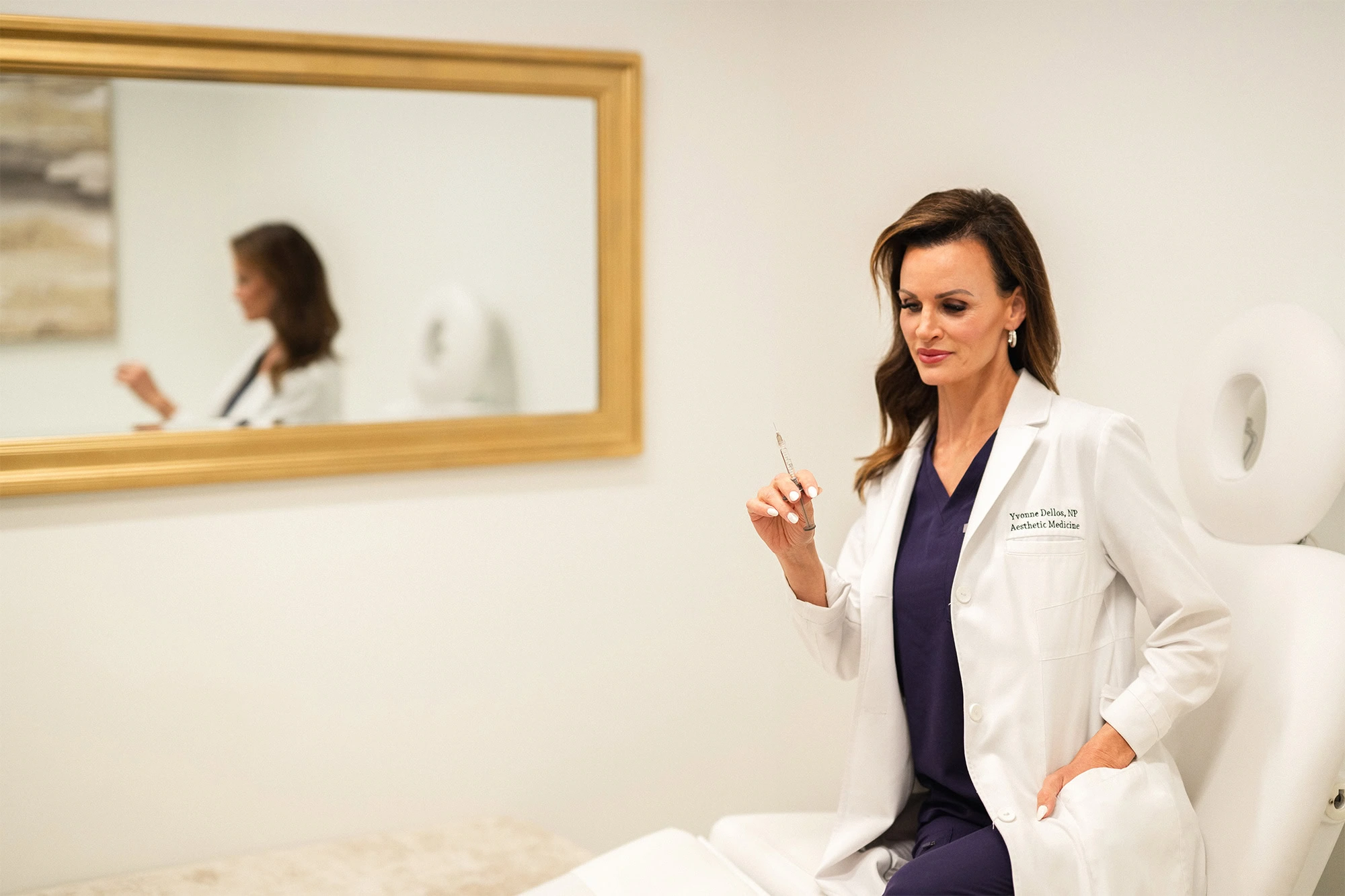
Can Botox help treat depression? In recent years, this question has attracted growing attention from researchers and medical professionals. While Botox is widely known as a cosmetic treatment used to reduce facial wrinkles, emerging research suggests it may also influence mood and emotional well-being.
The idea may sound surprising at first, but it is based on a scientific concept known as the facial feedback theory. According to this theory, facial expressions do not simply reflect emotions; they can also influence how we feel. Because Botox temporarily relaxes certain facial muscles, researchers believe it may interrupt negative feedback signals between the face and the brain.
Although Botox is not currently approved as a primary treatment for depression, studies have explored whether it could serve as a complementary approach alongside traditional therapies.
Depression is a serious mental health condition characterized by persistent feelings of sadness, loss of interest, and reduced motivation. It affects how individuals think, feel, and perform daily activities. Depression can impact work performance, relationships, sleep patterns, and overall quality of life.
According to the World Health Organization, more than 300 million people worldwide experience depression. In the United States alone, millions of adults struggle with symptoms that range from mild emotional distress to severe clinical depression.
Traditional treatment approaches typically involve a combination of antidepressant medications, psychotherapy, lifestyle adjustments, and support systems. While these treatments can be effective, some patients experience side effects or limited improvement, which has encouraged researchers to explore additional treatment options.
To understand how Botox might help treat depression, it is important to examine the role of facial expressions in emotional processing.
When individuals feel sadness, anger, or stress, muscles in the forehead often contract, creating glabellar frown lines, which appear between the eyebrows. These facial movements send signals to the brain that reinforce negative emotional states.
Botox works by temporarily relaxing the muscles responsible for these expressions. When the muscles that produce frowning are weakened, the brain receives fewer negative feedback signals. As a result, some researchers believe that this interruption of the facial feedback loop may contribute to improvements in mood.
This concept does not suggest that Botox directly treats the underlying causes of depression. Instead, it may help reduce the physical expressions associated with negative emotions, potentially influencing emotional perception.
Several clinical studies have explored whether Botox injections may influence depressive symptoms.
One early study conducted in 2006 involved participants diagnosed with major depressive disorder. The participants received Botox injections in the glabella region, the area between the eyebrows commonly treated in cosmetic procedures. After several weeks, many participants reported a significant improvement in their mood and overall depressive symptoms.
Subsequent research has continued to investigate this relationship. Some studies suggest that patients who receive Botox injections in the glabellar region may experience improvements in emotional well-being compared to control groups.
However, it is important to recognize that research in this area is still developing. Most studies involve relatively small groups of participants, and more large-scale clinical trials are necessary before definitive conclusions can be drawn.
Currently, Botox is not approved by the U.S. Food and Drug Administration (FDA) as a treatment for depression. Mental health professionals continue to recommend established treatment methods such as psychotherapy, medication, and behavioral therapy.
However, Botox may be considered in some cases as a complementary treatment when used alongside traditional therapies under the guidance of qualified medical professionals.
Individuals who are currently taking antidepressant medications should never stop or change their treatment plan without consulting a healthcare provider.
For medical professionals interested in expanding their skills, learning proper neurotoxin injection techniques is essential. Botox treatments require a deep understanding of facial anatomy, muscle movement, and safe injection practices. The Medical Aesthetic Art Institute provides comprehensive training programs designed to help healthcare professionals develop confidence and expertise in aesthetic medicine. If you are interested in mastering injectable treatments, explore these training opportunities:
These programs focus on patient safety, proper injection techniques, and building the skills needed to perform neurotoxin treatments effectively.
So, how does this work? Facial expressions send certain feedback to the brain. Emotions like fear, sadness, or anger can result in the contraction of muscles in the forehead that cause the glabella frown lines. In people who are depressed, the activity of the muscles that cause these frowns is increased. Blocking these frowning muscles with Botox may result in improved mood.
A study in 2006 was done with 10 participants who all suffered from depression. They were all given a Botox injection in their glabella frown lines. 2 months after the injection, 9 of the participants no longer had depression symptoms. While the 10th participant still had some symptoms, they reported an improved mood.
If you currently take medications for depression, don’t abruptly stop taking them if you decide to try Botox.
Although Botox isn’t approved by the U.S. Food and Drug Administration to treat depression, it is a great option to add alongside antidepressants. If you are a medical professional and are looking to perform this service, contact us at (435) 922-8330 to learn more about our training.
Some clinical studies suggest Botox injections in the glabellar region may help reduce depressive symptoms by interrupting negative facial feedback signals. However, Botox is not currently approved by the FDA as a primary treatment for depression.
Most research focuses on injections in the glabella region, the area between the eyebrows where frown lines form. Relaxing these muscles may reduce negative emotional feedback signals sent to the brain.
No. Botox should never replace prescribed antidepressant treatments. It may be considered as a complementary option under medical supervision.
According to the facial feedback theory, facial expressions influence emotional processing. When Botox reduces the ability to frown, the brain may receive fewer signals associated with negative emotions.
Botox injections should only be performed by licensed medical professionals trained in facial anatomy and neurotoxin injection techniques.

We use cookies to improve your experience. Consent allows us to process data like browsing behavior. Without it, some features may not work properly.